Understanding Leather Types: Split, Suede, Buffed, Tumbled, Veg Tan, and Chrome Tan
A Guide to Common Leather Terms and Their Meanings
Introduction
When shopping for leather goods, you’ll often encounter terms like split, suede, buffed, tumbled, veg tan, and chrome tan. Each describes a specific type of leather or a processing technique that affects the material’s texture, durability, and appearance. This guide explains what each term means, so you can make informed decisions when purchasing leather products.
Split Leather
Split leather is created by slicing the hide horizontally into layers during the tanning process. The top layer (full-grain or top-grain) is prized for its durability and natural appearance, while the lower layer, known as “split,” is less dense and typically rougher. Split leather is often used for making suede, bonded leather, and as a base for various products. To improve its look and performance, it may be coated or finished with synthetic materials.
Suede
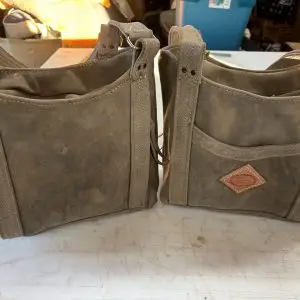
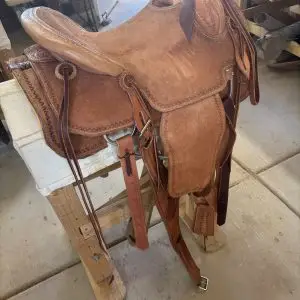
Suede is a type of leather with a soft, velvety, napped surface, achieved by sanding or buffing the inner side of split leather. Its distinctive texture and appearance make it a favorite in fashion accessories, shoes, and upholstery. While suede looks and feels luxurious, it is more vulnerable to stains and water damage than smooth leathers, requiring special care and maintenance.Y
Buffed Leather
Buffed leather undergoes additional processing to create a smooth, sometimes glossy surface. The leather is sanded or polished to remove imperfections, resulting in a soft, uniform finish. Buffed leather is commonly found in high-quality footwear, accessories, and upholstery. However, because the surface has been altered, it may be more prone to scratches and wear over time.
Tumbled Leather
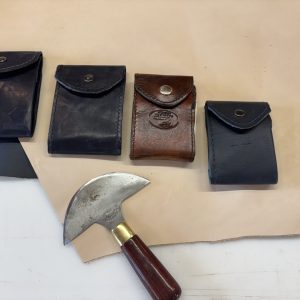
Tumbled leather is softened and given a relaxed, supple feel through a tumbling process. Large drums gently rotate the leather, breaking down stiff fibers and enhancing flexibility. This produces leather that is comfortable, pliable, and often has a slightly distressed or casual appearance. Tumbled leather is popular for items like compact wallets and ladies’ concealed carry purses, as well as footwear and handbags where softness is desired.
Vegetable-Tanned (Veg Tan) Leather
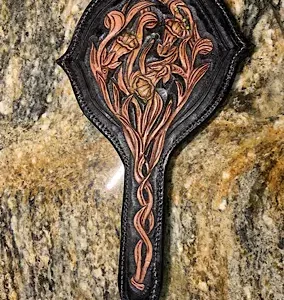
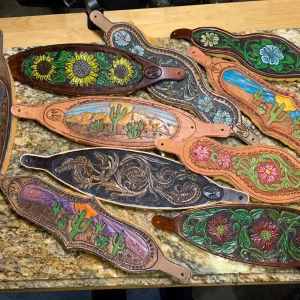
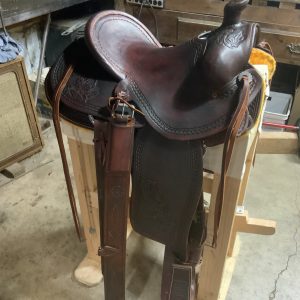
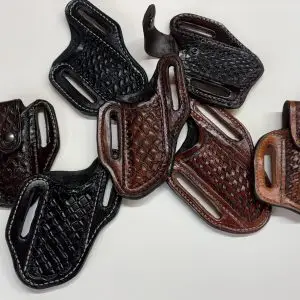
Veg tan leather is tanned using natural materials rich in plant-based tannins, such as tree bark, leaves, and fruits. This traditional, eco-friendly process yields a firm, durable leather known for its ability to develop a beautiful patina over time. Veg tan leather is highly valued by artisans for its suitability for dyeing, carving, and customization. It’s commonly used for saddles, tack, belts, and wallets. Because it lacks the water and stain resistance of chrome-tanned leather, it needs regular conditioning and care.
Chrome-Tanned Leather
Chrome-tanned leather is produced with chromium salts, especially chromium sulfate, making the process faster and more cost-effective than vegetable tanning. This type of leather is soft, flexible, and highly resistant to water and stains. It’s often found in products that require vibrant colors and a smooth, consistent surface. However, chrome tanning uses synthetic chemicals, so environmental management is important to prevent pollution. Chrome-tanned leather is widely used for everyday items due to its durability and versatility.
Conclusion
Knowing the difference between split, suede, buffed, tumbled, veg tan, and chrome tan leather helps you choose the right leather item for your needs, whether you value durability, appearance, eco-friendliness, or softness. Understanding these terms ensures you get the best value and proper care for your leather goods.