Understanding Leather Types: Split, Suede, Buffed, Tumbled, Veg Tan, and Chrome Tan
A Guide to Common Leather Terms and Their Meanings
Introduction
Leather terms can be confusing when you’re comparing products. This guide explains the most common types and processes—split, suede, buffed, tumbled, veg tan, and chrome tan—so you can choose based on feel, durability, care needs, and everyday use.
Leather Forms and Surface Finishes
Split Leather
Split leather comes from the lower layers of the hide after the stronger top layer is removed. It is less dense and less durable than full-grain or top-grain leather, but it is useful for suede, coated leather goods, and budget-friendly products.
Suede
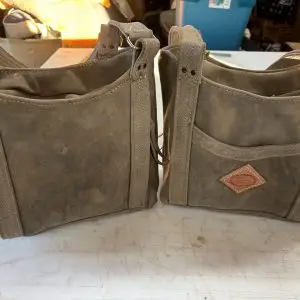
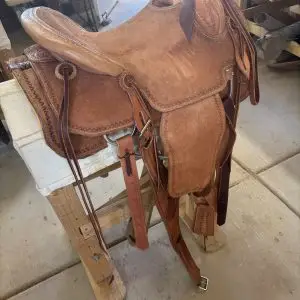
Suede is split leather with a soft, napped surface created by sanding or buffing the inner side of the hide. It offers a rich, velvety feel for shoes, accessories, and upholstery, but it stains easily and needs protection from water.
Buffed Leather
Buffed leather is sanded or polished to create a smoother, more uniform surface. It works well for footwear, accessories, and upholstery, but the altered surface may show scratches and wear sooner than less-processed leather.
Tumbled Leather
Tumbled leather is rotated in drums to soften the fibers and create a relaxed, flexible feel. It is a good choice for wallets, handbags, footwear, and other items where softness and comfort matter.
Tanning Methods
Vegetable-Tanned (Veg Tan) Leather
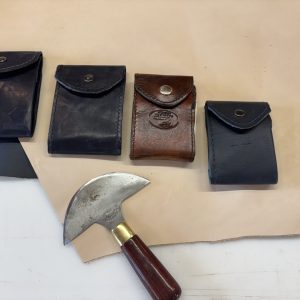
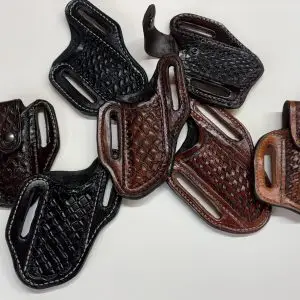
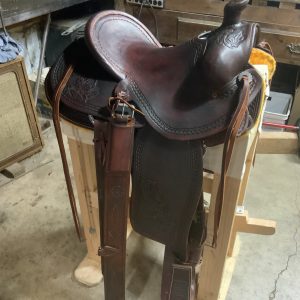
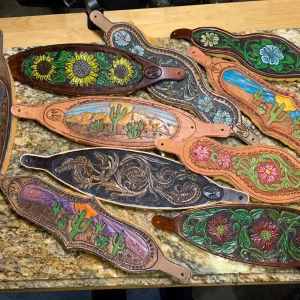
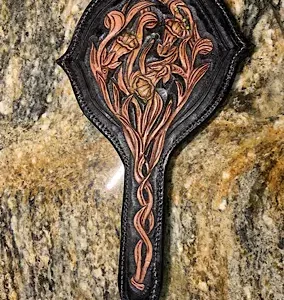
Vegetable-tanned leather uses plant-based tannins and develops a rich patina with age. It is firm, durable, and ideal for belts, wallets, saddles, and carved goods, but it needs conditioning and protection from moisture.
Chrome-Tanned Leather
Chrome-tanned leather is processed with chromium salts, which makes production faster and produces soft, flexible, water-resistant leather. It is common in everyday goods and colorful products, but responsible chemical handling is important.
Quick Comparison
| Leather Type or Process | Best For | Key Strength | Care Consideration |
| Split Leather | Budget-friendly goods, suede bases, coated products | Versatile and economical | May need coatings or finishes for durability |
| Suede | Shoes, accessories, upholstery | Soft, velvety texture | Protect from stains and water |
| Buffed Leather | Footwear, accessories, upholstery | Smooth, uniform finish | Can show scratches or wear more easily |
| Tumbled Leather | Wallets, handbags, footwear, soft-use items | Supple, flexible feel | Condition regularly to maintain softness |
| Vegetable-Tanned Leather | Belts, wallets, saddles, carved goods | Durable and develops patina | Needs conditioning and moisture protection |
| Chrome-Tanned Leather | Everyday goods, colorful products, flexible items | Water resistance and softness | Look for responsible environmental practices |
Conclusion
The right leather depends on what you value most: softness, durability, appearance, care, or price. Use these definitions and the comparison table to match each leather type to the product and maintenance level that fit your needs.