How to Choose a Saddle Tree
A practical guide from Kent Cannon Saddlery for choosing the foundation of a comfortable, balanced Western saddle.
Introduction
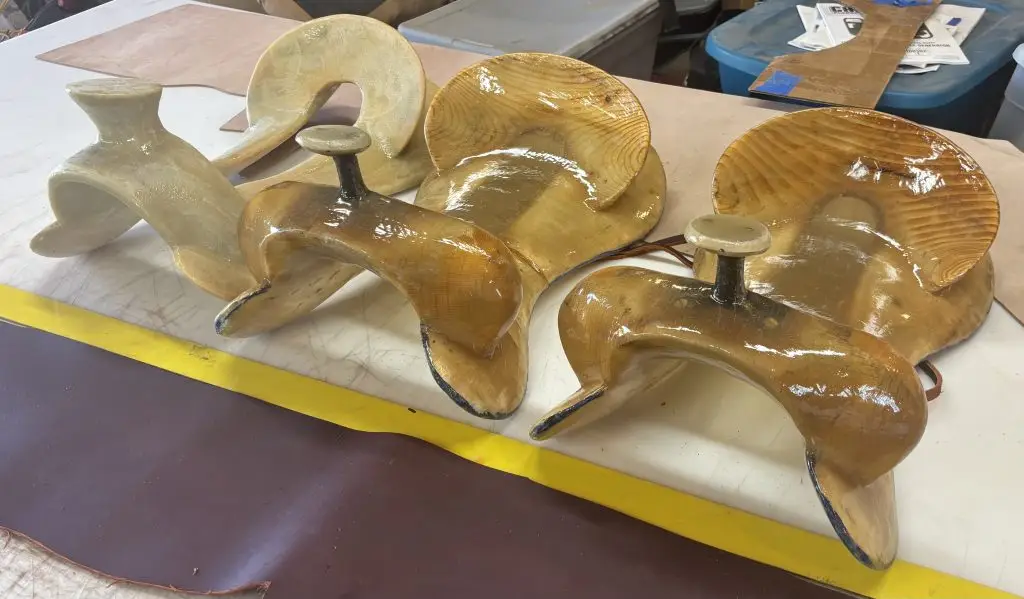
There are many different styles of western saddle trees. A few of which are listed below. They all have to do with personal preference and the ultimate use of the saddle. None of them have anything to do with saddle fit! Saddle fit is designed around the horses physical structure. The following are a few of many examples:
- Olin Young
- Tucson
- Slick Fork
- Will James
- Association
- Modified Association
- Bowman
- Bull Moose
- Wade
You can see a larger selection of tree styles at Either Bowden Saddle Trees or Precision Saddle Trees. You are by no means limited to the styles presented, after all, we offer Custom Saddles so the the choices are up to you!
Why the Saddle Tree Matters
The saddle tree is the hidden framework inside a Western saddle. It determines the saddle’s shape, how it sits on the horse, and how the rider’s weight is distributed. When the tree fits correctly, the saddle feels balanced, the horse can move freely, and pressure is spread over the strongest part of the back. When the tree is wrong, no amount of pretty leatherwork or extra padding can truly correct the problem.
Start with the Horse, Not the Label
Tree labels such as Semi Quarter Horse, Full Quarter Horse, Arabian, or Mule bars can be useful starting points, but they are not universal standards. One maker’s “full quarter horse” tree may not match another maker’s version. The best choice comes from evaluating the individual horse’s body type, wither shape, shoulder angle, back length, and topline.
Key Fit Points to Consider
- Bar angle: The angle of the bars should closely match the slope of the horse’s back just behind the shoulder. Typical Quarter Horse-style bar angles often run about 86° to 88° for Semi Quarter Horse bars, about 90° for regular Quarter Horse bars, and about 92° to 95° for Full Quarter Horse bars. Narrower horses generally need a steeper angle, while broader, flatter-backed horses often need a more open angle. Use these numbers as a guide, not a substitute for checking the actual horse.
- Gullet width and clearance: The saddle should provide adequate wither clearance without sitting too high or dropping too low.
- Bar rock: The curve of the bars should follow the horse’s topline so the saddle does not bridge or rock.
- Bar flare: The front of the bars should allow the shoulders to move freely instead of digging in.
- Bar length: The tree should distribute weight well without extending too far back on a short-backed horse.
Common Signs of a Poor Tree Fit
- The saddle pinches at the withers or shoulders.
- The saddle bridges, touching mainly at the front and back but not through the middle.
- The saddle tips forward, rocks, or rolls side to side.
- The horse shows soreness, dry spots, white hairs, rubs, or reluctance to move out.
- The rider feels off-balance even when the saddle is placed correctly.
Check the Fit Before You Add Padding
Always evaluate the saddle on the horse’s back without a pad first. A pad can help fine-tune a good fit, but it should not be used to make a poor tree fit acceptable. If the tree is too narrow, too wide, too straight, or too curved for the horse, extra padding may create more pressure instead of solving the problem.
What Kent Cannon Saddlery Looks For
At Kent Cannon Saddlery, the goal is to match the saddle tree to the horse’s conformation and the rider’s intended use. A ranch saddle, trail saddle, roper, or custom everyday saddle may place different demands on the tree, but the foundation remains the same: balanced contact, shoulder freedom, proper clearance, and comfort for both horse and rider.
Our Dennis Lane Saddle Fitting System
We also use the Dennis Lane Saddle Fitting System as a practical way to record and communicate a horse’s back shape. This card-based system helps identify the horse’s wither and shoulder profile, back rock, and overall body type so the tree choice is based on measurable information rather than guesswork. It is especially helpful when comparing horses, tracking changes over time, or working from photos and measurements when the horse cannot be seen in person.
We do offer a remote fitting. We will send you the fitting cards and the how-to guide for a deposit. See our Saddle Fitting Page for details.
Helpful Information to Bring
- Clear side-view photos of your horse standing square on level ground.
- Photos from behind and slightly above showing the back and shoulder shape.
- A wither tracing or fitting measurements, if available.
- Your riding discipline, typical ride length, and how often the saddle will be used.
For more information Click Here