

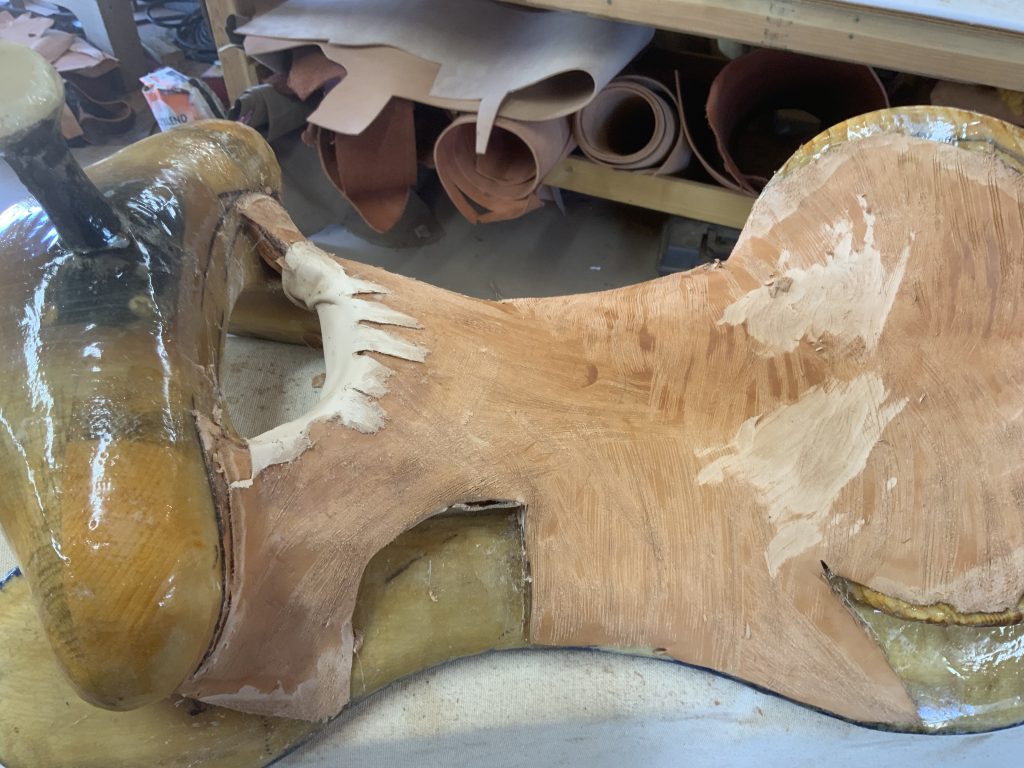
Few riders understand a handmade western saddle until they spend long hours in one. From the outside, two saddles may look similar. Both may have a good tree, quality leather, a sturdy horn, and attractive tooling. But the real difference is often hidden beneath the finished seat leather. That hidden foundation is called the ground seat. It plays a major role in how a saddle feels after one hour, four hours, or a full day horseback.
At Kent Cannon Saddlery in Douglas, Arizona, handmade western saddles are built for real riding. That includes ranch work, arena use, trail miles, roping, and everyday western life. Comfort cannot be an afterthought. In a true custom handmade saddle, the maker builds the seat with layers of skirting leather. Each layer is shaped by hand for balance, pocket, slope, and rider support.
What Is the Ground Seat?
The ground seat is the shaped foundation between the saddle tree and the finished seat leather. It is usually hidden once the saddle is complete. But the rider feels it every time they sit down. A properly built ground seat supports the rider’s seat bones. It also guides the pelvis into a balanced position. This helps spread pressure across the seat instead of one uncomfortable spot.
How the Ground Seat Is Shaped
Shaping the ground seat is slow, deliberate work. Each leather layer is fitted, glued, trimmed, carved, and skived. This creates the correct pocket, slope, and rise from the cantle toward the swell. The maker is not just filling space. They are creating the shape that determines where the rider naturally sits. That shape also affects how the rider’s weight is carried.
The process requires constant checking by eye and feel. High spots must be reduced. Edges must be feathered smooth. The front rise must support the rider without forcing them backward. The pocket near the cantle should hold the rider securely. But it should not trap the rider. The twist must let the rider’s legs hang naturally. It should not create pressure, pinching, or instability. To watch some video of the process Click Here
Why Padding Alone Does Not Make a Saddle Comfortable
One common mistake is assuming a softer saddle is always more comfortable. Padding can add cushion. But it cannot correct poor seat shape. If the ground seat is too flat, steep, wide, or narrow, problems remain. Extra padding only hides the problem for a short time.
A well-shaped ground seat helps the rider settle into the saddle. It reduces sliding forward, bracing against the stirrups, or fighting the tree. That balance matters for ranch work, trail riding, colt starting, roping, and long hours horseback. The saddle should work with the rider, not against them.
Handmade vs. Factory-Built Saddles
This careful shaping separates a production saddle from a truly handmade western saddle. Factory saddles are often built to a general pattern. That pattern supports production speed and cost control. Kent Cannon Saddlery takes time to build around fit, balance, durability, and leather quality. Rider comfort and intended use also guide the work.
The value of that work may not show up in a photograph. But it shows up in the saddle’s feel. A good ground seat can feel natural from the first ride. It should continue improving as the leather breaks in. For riders who use their saddles hard, comfort is not a luxury. It is part of the saddle’s function.
What Riders Should Look For
When evaluating a western saddle, notice how naturally you sit in it. The saddle should not force a chair seat. It should not pitch the rider forward. It should not create pressure through the hips and thighs. A good seat should feel supportive, balanced, and secure. It should not feel restrictive. Western saddle fit matters for both horse and rider.
If you are ordering a custom saddle, ask about the ground seat. Ask how it is built. Ask what materials are used. Ask how the seat is shaped for your riding. At Kent Cannon Saddlery, that conversation belongs with saddle tree selection, rider fit, and horse conformation. Leather choices, rigging, tooling, and intended use also matter.
Ready to Talk About a Custom Saddle?
If you want a saddle built for how you ride, start with Kent Cannon Saddlery’s custom saddle process. A handmade western saddle should fit the horse. It should support the rider. It should also stand up to real use. You may need a ranch saddle, roping saddle, trail saddle, barrel saddle, or cutting saddle. The ground seat helps turn good materials into a saddle that rides right.